· Judiciary Insight · Campaign · 2 min read
JD Vance Targets Abdul El-Sayed Over Sharia Remarks
Full context
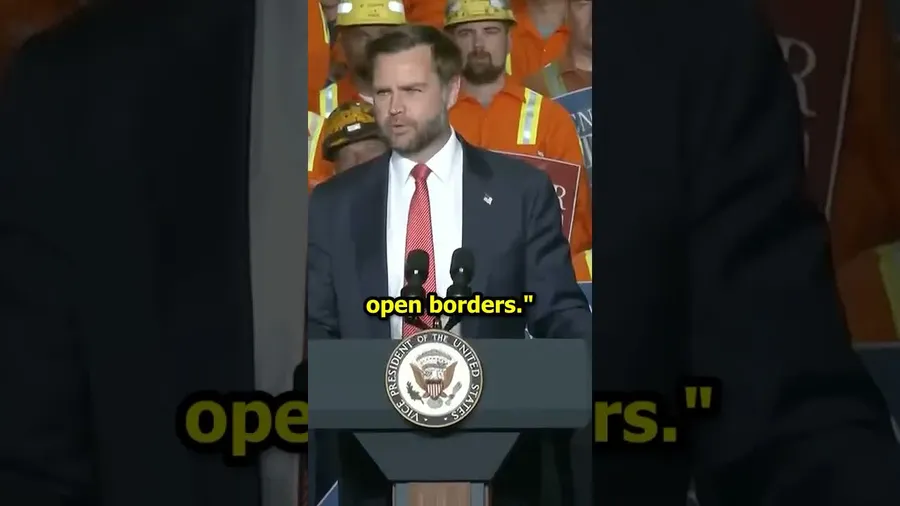
Vice President JD Vance criticized Michigan Democratic Senate nominee Abdul El-Sayed during a speech in Middletown, Ohio, using past remarks about Sharia law to argue that today’s Democratic Party has moved away from working-class voters.
Vance said El-Sayed had argued that criticism of Sharia law was rooted in white supremacy. He then sharpened the attack by saying El-Sayed wanted Sharia law and considered anyone who criticized it a white supremacist. Vance contrasted that position with the Democratic Party his grandfather knew.
The first part of that summary reflects language El-Sayed used. The second part requires more context.
The remarks behind Vance’s attack
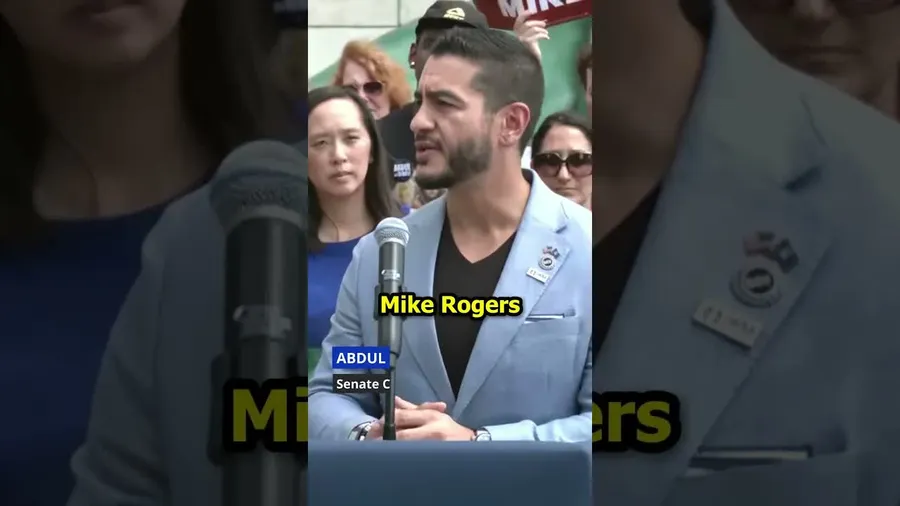
El-Sayed spoke at a 2022 event about an Oklahoma ballot measure that barred state judges from considering Islamic law and international law. He argued that the measure should be understood within the state’s history of racism, including the forced removal of Native Americans and the destruction of Tulsa’s Black Wall Street.
In that speech, El-Sayed said the Sharia ban could not be understood without understanding the Trail of Tears and that the challenges Muslims faced could not be separated from white supremacy.
That is a sweeping and debatable historical comparison. It is also different from saying the United States should replace civil law with religious law. El-Sayed has previously affirmed the separation of church and state and denied that he wants to impose Sharia law through American government.
The political strategy
Vance’s phrasing collapses the distinction between opposing a law aimed specifically at Sharia and advocating for Sharia as governing law. That makes the attack easier to deliver, particularly in a short speech built around cultural distance from the Democratic Party.
It also nationalizes Michigan’s Senate contest. Rather than focusing on El-Sayed’s state policy agenda, Vance places him inside a broader Republican argument about religion, immigration, and cultural change. The reference to his grandfather gives that argument a working-class frame suited to the industrial Ohio setting.
The useful question for voters is not whether El-Sayed discussed white supremacy. He did. It is whether Vance’s expanded description accurately represents what El-Sayed proposed. The available remarks show criticism of an anti-Sharia ballot measure, not a proposal to make Islamic religious law the law of the United States.