· Judiciary Insight · House · 2 min read
John James Asks Healthcare CEOs if Coverage Is Affordable
Full context
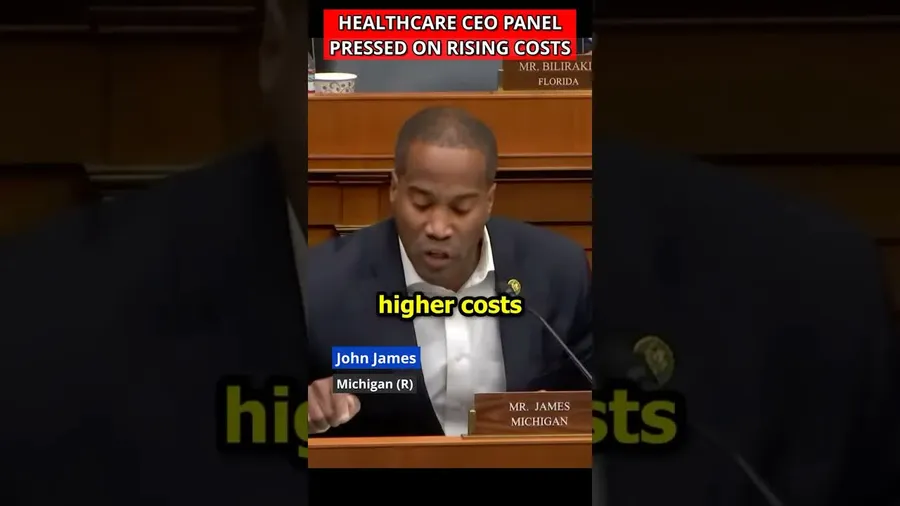
Rep. John James offered a blunt test of the healthcare system during a congressional hearing: he asked a panel of industry executives to raise their hands if they believed healthcare was affordable. No one did.
The Michigan Republican cited an average annual family cost of about $24,000 while questioning leaders from major insurers at a House Energy and Commerce Health Subcommittee hearing. The moment distilled a widespread concern, but understanding the number is important.
What the family premium represents
Figures in this range commonly refer to the total annual premium for employer-sponsored family coverage. That total includes the amount paid by the employer as well as the amount deducted from a worker’s paycheck. It is not usually a $24,000 bill paid directly by one family.
Workers still bear more of the cost than the payroll deduction alone suggests. Employer contributions are part of compensation, and economists generally expect benefit costs to influence wages over time. Families may also pay deductibles, copayments, coinsurance, out-of-network charges, and expenses for services that are not covered.
For that reason, a premium statistic is an important measure of the system’s cost but not a complete measure of what any particular household can afford. Affordability varies with income, health needs, employer contributions, plan design, and local medical prices.
Why the CEOs’ response matters
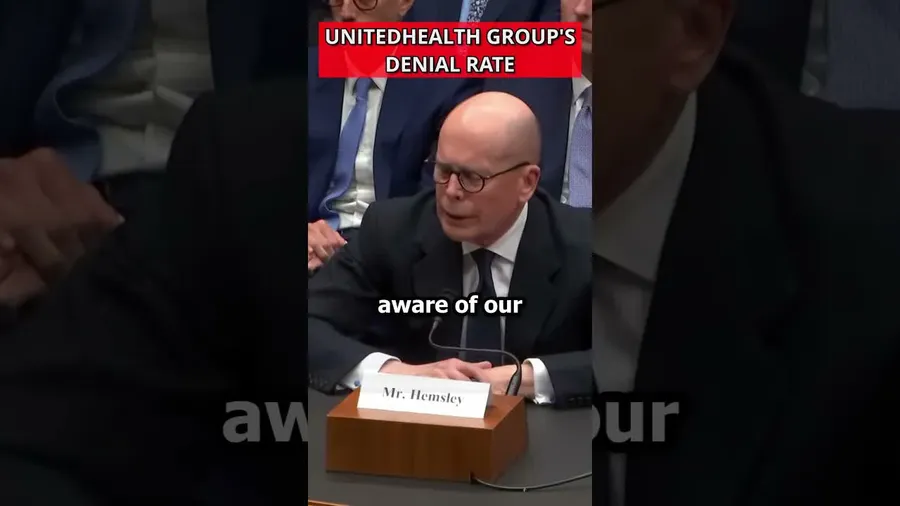
The lack of raised hands was politically powerful because the witnesses lead organizations with substantial influence over premiums, networks, claims, and care management. It also reflected a structural reality: no single participant controls the entire bill.
Hospitals, physicians, pharmaceutical companies, pharmacy benefit managers, insurers, employers, and government programs all shape spending. Insurers negotiate prices and determine many coverage rules, but they also pay claims generated by the prices and volume of care. Pointing to that complexity should not become an excuse for avoiding responsibility. It should lead Congress to ask each participant for comparable evidence.
The most useful follow-up would track what households actually pay, how much compensation goes toward premiums, how quickly deductibles grow, which services generate the largest increases, and whether patients receive better outcomes in return.
James’s show-of-hands question produced a clear answer about the system as a whole. The harder legislative task is turning that shared diagnosis into changes that reduce total cost without shifting it from one line of a family’s budget to another.