· Judiciary Insight · Senate · 3 min read
Josh Hawley Confronts the U.S. Prescription Drug Price Gap
Full context
Sen. Josh Hawley used an international drug-price comparison to argue that Americans are paying an unacceptable premium for prescription medicine.
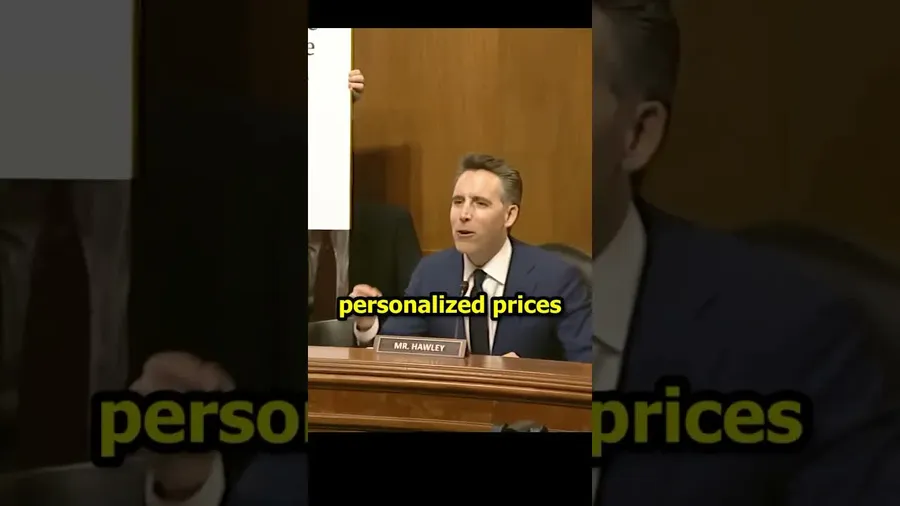
During a July 14 Senate Judiciary Committee hearing, the Missouri Republican displayed findings from a 2024 RAND Corporation study comparing U.S. prices with prices in 32 other countries. He highlighted a figure of 422 percent for brand-name drugs, then contrasted the manufacturer price of insulin in the United States with prices in Australia, Canada, and the United Kingdom.
“Somebody is getting rich off of this, and it is certainly not the American people,” Hawley said.
What the 422 percent figure means
The underlying RAND result is striking, but the wording matters. The study estimated that U.S. gross prices for brand-name originator drugs were 4.22 times the prices in the comparison countries. In percentage terms, U.S. prices were 422 percent of the comparison price, which means they were about 322 percent higher.
Hawley described the prices as 422 percent more expensive. That overstates the difference by one full international benchmark, even though the corrected gap remains very large.
The comparison also applies to gross manufacturer prices for brand-name drugs, not every prescription and not necessarily the amount a patient pays at the pharmacy. RAND found that prices across all drugs were 278 percent of prices abroad because unbranded generic drugs were generally cheaper in the United States. After estimated U.S. rebates were included, brand-name prices were still roughly three times those in the comparison countries.
Hawley’s proposed response
Hawley pointed to legislation introduced with Sen. Peter Welch that would prevent pharmaceutical companies from charging more in the United States than an international average and impose penalties for violations.
His argument places responsibility primarily on drug manufacturers and patent practices. Witnesses at the hearing agreed that affordability is a serious problem but warned that price policy must also account for research incentives and other parts of the healthcare supply chain.
That disagreement identifies the central policy question. Other countries negotiate or regulate prices more aggressively, while the United States relies on a fragmented system of manufacturers, insurers, pharmacy benefit managers, government programs, and pharmacies. Each participant can affect the difference between a manufacturer’s list price and a patient’s final bill.
The percentage in the clip deserves a correction, but not dismissal. Whether measured before or after estimated rebates, the evidence shows that Americans finance a much larger share of brand-name pharmaceutical revenue than patients in comparable countries. The unresolved debate is how Congress can narrow that gap without reducing access or discouraging useful medical research.