· Judiciary Insight · House · 2 min read
AOC Questions Whether xAI Data Centers Are Harming Communities
Full context
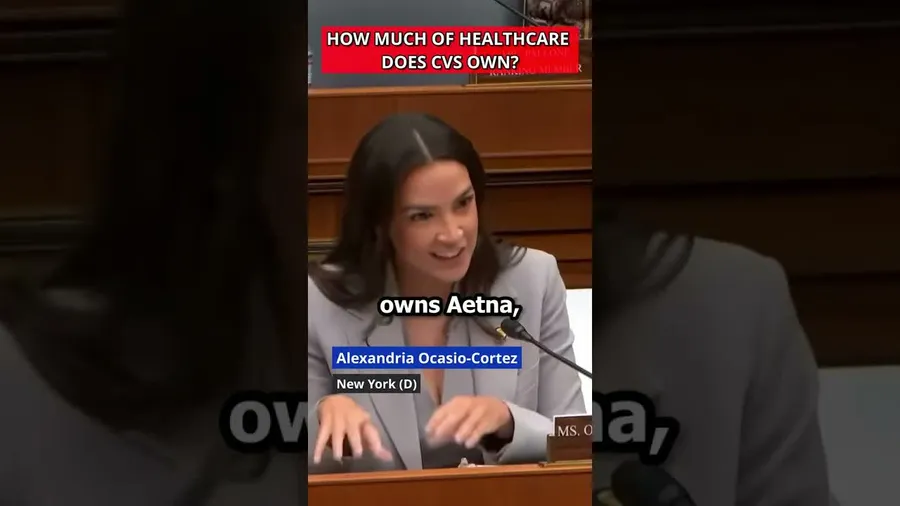
Rep. Alexandria Ocasio-Cortez challenged lawmakers to consider whether they would want a large artificial intelligence data center built in their own neighborhood.
During a House Energy and Commerce Committee markup, the New York Democrat used xAI’s infrastructure in Memphis, Tennessee, as her example. She described a cluster of industrial facilities near residents, including computing infrastructure, methane turbines, wastewater facilities, and a coal ash site. Her argument was that national enthusiasm for AI should not push environmental and health costs onto communities with little political power.
The Memphis dispute
xAI has built major computing capacity in Memphis to train and operate artificial intelligence systems. The project has also drawn scrutiny over temporary gas turbines used to generate electricity, their permitting status, air emissions, and the cumulative burden already faced by nearby neighborhoods.
Ocasio-Cortez used forceful language about residents being poisoned. That is a political and health claim, not a conclusion established by the short video itself. Determining whether a particular facility caused illness requires emissions data, measured exposure, medical evidence, and analysis that separates one source from other industrial and environmental risks.
The underlying oversight question remains legitimate even when the strongest causal claim has not been proven. Combustion turbines can emit nitrogen oxides and other pollutants. Regulators need accurate inventories, enforceable permits, continuous monitoring where appropriate, and public reporting that lets residents see what they are breathing.
Benefits do not replace accountability
xAI has emphasized investment, jobs, tax revenue, electrical infrastructure, and a water recycling project intended to reduce demand on the drinking water system. Those benefits are relevant to a complete assessment. They do not answer whether every power source was properly authorized or whether pollution is concentrated in an already burdened area.
Data centers also vary considerably. Their effects depend on the local grid, cooling design, water source, backup generation, operating hours, and proximity to homes. A national label such as “AI data center” is too broad to determine the impact of a specific project.
A stronger policy response would require disclosure before construction, clear air and water permits, independent monitoring, emergency plans, and a public process with enough information for residents to participate meaningfully. The central issue raised by Ocasio-Cortez is not whether AI infrastructure should exist. It is who receives the benefits, who carries the risks, and who gets a real voice before those decisions become difficult to reverse.