· Judiciary Insight · Campaign · 2 min read
JD Vance Attacks Tim Walz Over Pardon and Deportation Case
Full context
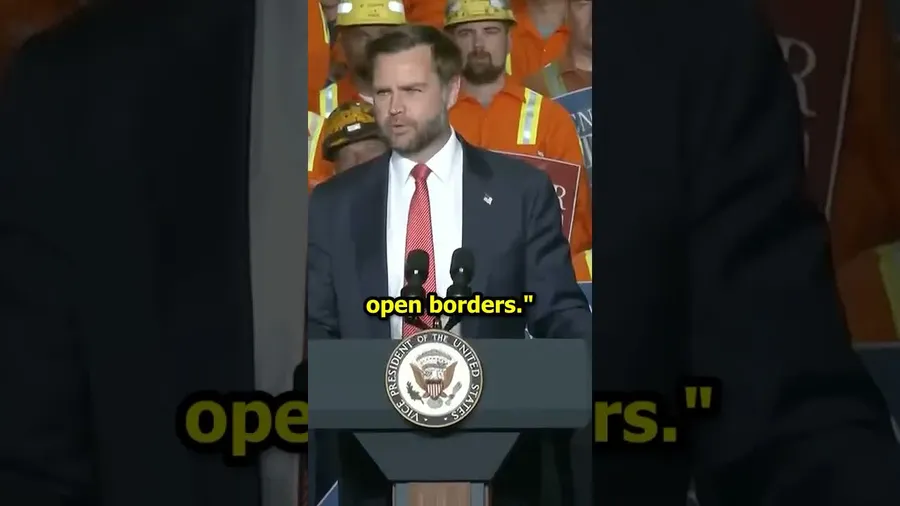
Vice President JD Vance criticized Minnesota Gov. Tim Walz over the pardon of Tou Lue Vang, a man later deported after a conviction for sexually abusing a child.
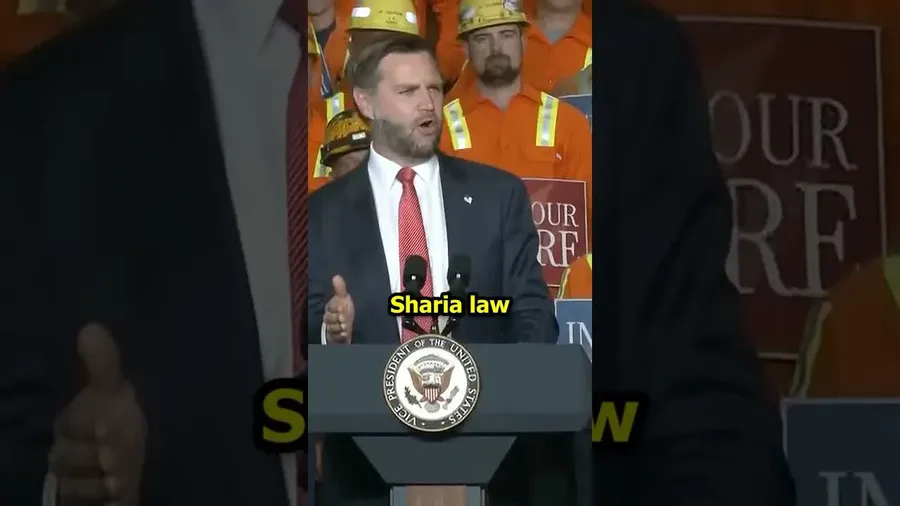
Speaking at Cleveland-Cliffs Middletown Works in Ohio, Vance presented the case as a clear divide between Democratic clemency decisions and the Trump administration’s immigration enforcement. His central argument was that removing a person with a serious criminal record made the community safer.
The underlying case is more complicated than the short campaign exchange suggests.
What happened in Minnesota
Vang pleaded guilty in 2005 to sexually abusing a 10-year-old girl. In June 2026, Minnesota’s three-member Board of Pardons unanimously granted him clemency. Walz serves on that board alongside Attorney General Keith Ellison and Minnesota Supreme Court Chief Justice Natalie Hudson, so it was not a decision made by Walz alone.
According to CBS Minnesota, the victim supported Vang’s request. The state’s Clemency Review Commission also recommended approval, and the board considered letters from members of the community. Those facts help explain the board’s decision, but they do not lessen the seriousness of the original offense.
The pardon also did not guarantee that Vang could remain in the United States. Ellison’s office said federal officials were still free to revoke his immigration status. Secretary of State Marco Rubio later announced that the status had been revoked, and Immigration and Customs Enforcement deported Vang.
Why the clip matters
Vance turns a legally layered case into a straightforward public-safety message: state officials offered forgiveness, while the federal government imposed removal. That is effective campaign framing because it gives voters a specific person and outcome instead of an abstract debate about immigration.
Still, a pardon and a deportation answer different legal questions. The pardon addressed the continuing consequences of a state conviction after a clemency review. Deportation addressed whether Vang could legally remain in the country. Treating one as though it automatically blocked the other blurs the division between state and federal authority.
The clip captures a broader Republican strategy of tying immigration enforcement to violent crime. The individual case is politically powerful, but it cannot by itself establish how well a wider enforcement policy improves public safety.