· Judiciary Insight · White House · 3 min read
Bessent Defends a Warning Period Before Expanding Iran Sanctions
Full context
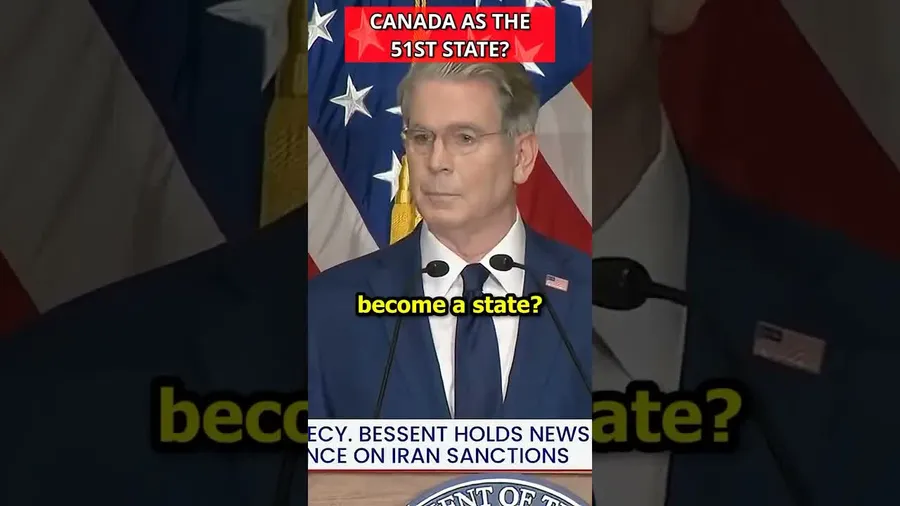
Treasury Secretary Scott Bessent defended giving governments and financial institutions time to reduce their dealings with Iran before the United States imposes the most disruptive secondary sanctions.
A reporter challenged the administration’s description of its new campaign as an economic “D-Day,” noting that the announcement initially looked more like a warning than an immediate attack. Bessent responded that Treasury wanted to provide a period for affected parties to correct their behavior.
“Why would I want to blow up the global financial system?” he asked.
How secondary sanctions work
Primary sanctions restrict American people and businesses from dealing with a target. Secondary sanctions reach further by threatening foreign companies, banks, or governments with consequences if they continue specified transactions, even when those transactions have no direct American participant.
The most powerful leverage comes from access to the U.S. financial system and the dollar. A foreign bank may have little direct business in the United States but still depend on dollar clearing, relationships with American institutions, or access to international markets that follow U.S. rules. Losing that access can be far more costly than ending business with Iran.
Bessent said parties that ignore the warning should expect to leave the dollar system. Treasury also sanctioned nearly 60 Iran-linked entities associated with oil shipments, nuclear and missile activity, cyber operations, and other revenue channels.
Why implementation is gradual
A cure period gives banks and companies time to identify exposure, close accounts, unwind contracts, redirect payments, and seek guidance. It can produce compliance without requiring Treasury to sanction every institution individually.
It also limits the risk of a sudden disruption. Immediately targeting major banks connected to large economies could interrupt trade far beyond Iran, create liquidity problems, or provoke retaliation. China is especially important because of its scale and its economic relationship with both Iran and the United States.
The tradeoff is credibility. If deadlines remain unclear or large trading partners receive repeated exceptions, governments may conclude that the threat is mainly rhetorical. Secondary sanctions work through expectations, so uncertainty can encourage compliance or create doubts about enforcement.
Calling the campaign “D-Day” suggests a single decisive action. Bessent’s explanation describes something different: a staged effort that starts with warnings and targeted designations, then reserves broader exclusion from the dollar system for parties that refuse to change course.
That approach may reduce immediate financial risk, but its effectiveness will depend on which institutions are ultimately sanctioned, how quickly Treasury acts, and whether major economies cooperate or build alternatives to American financial channels.